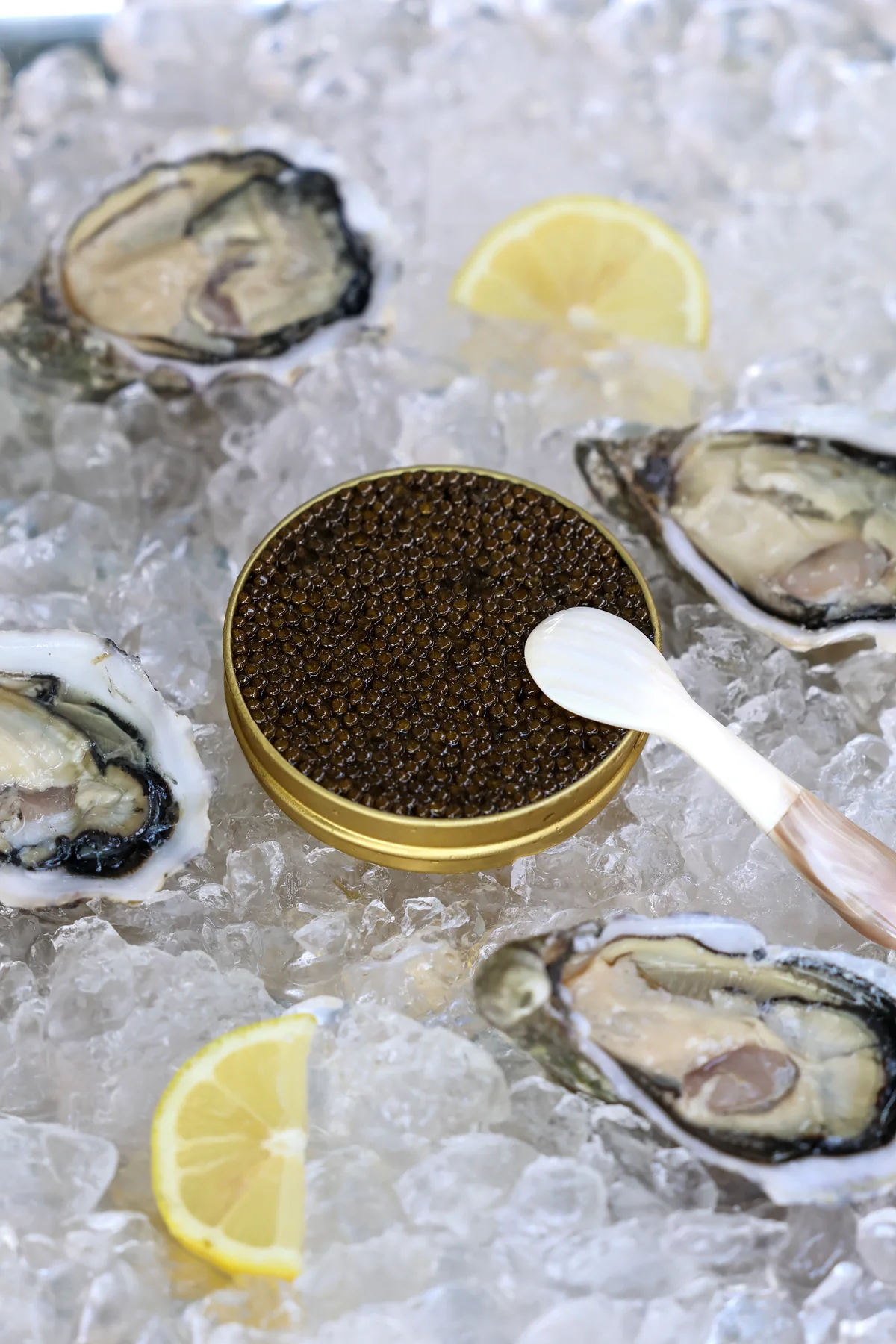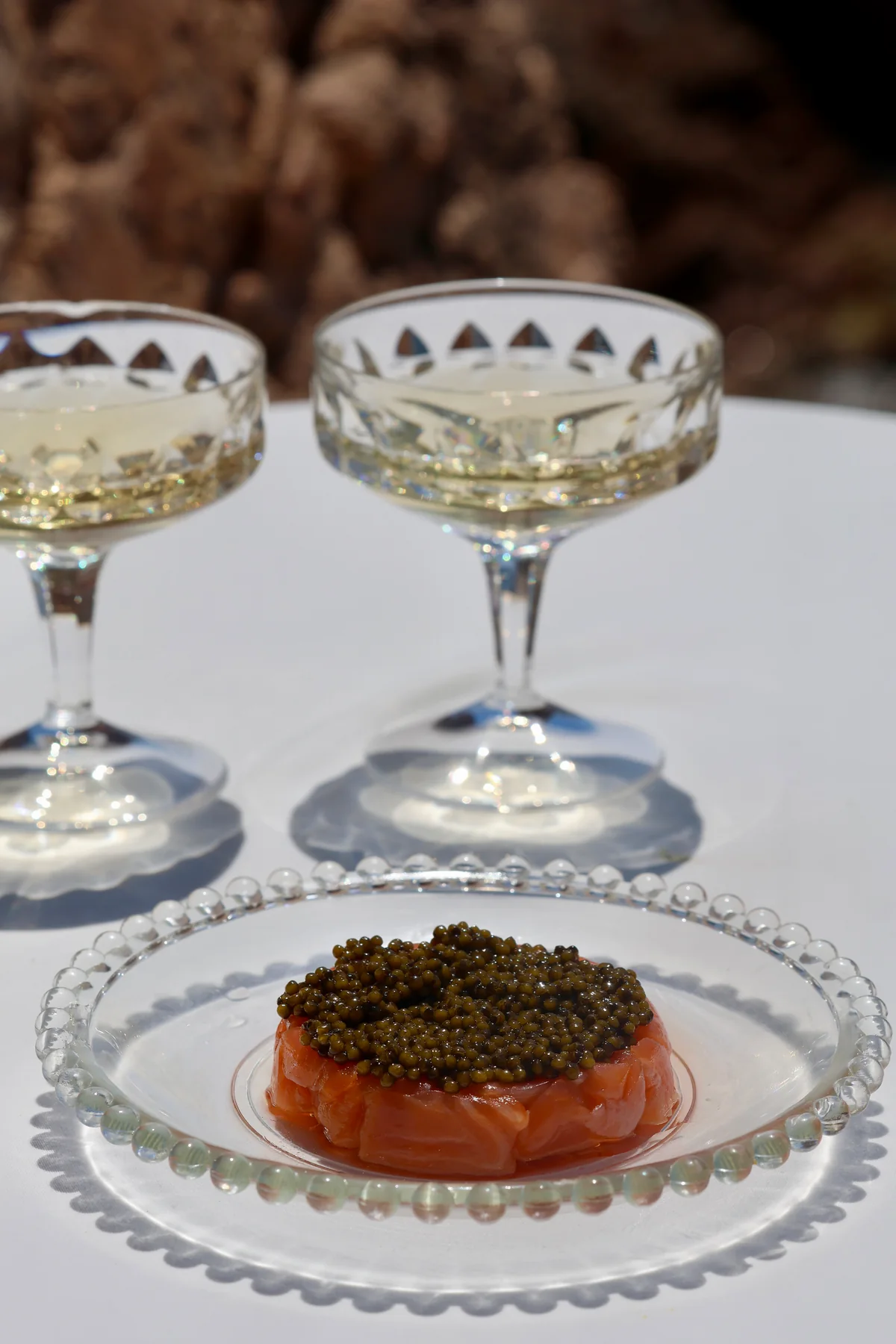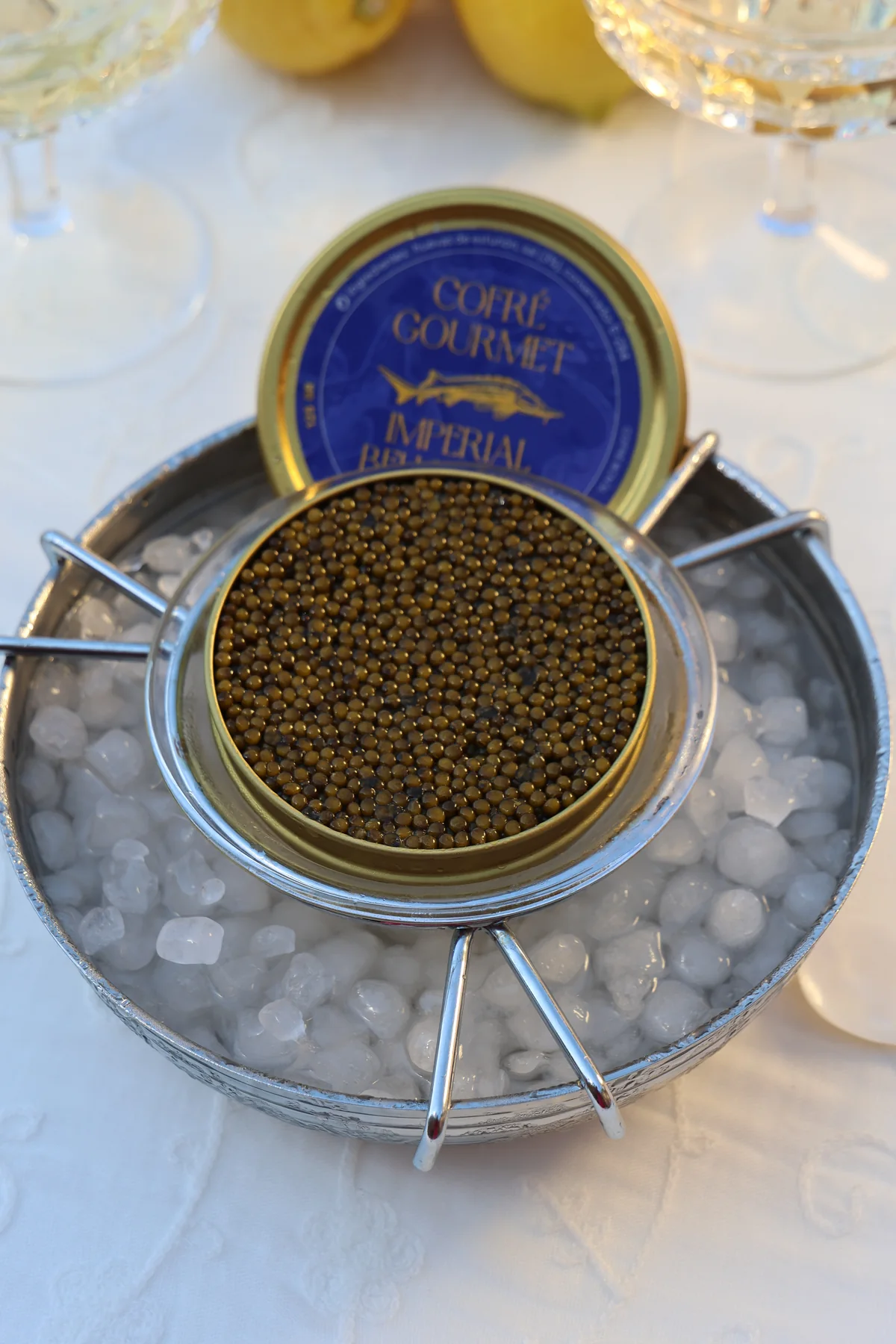
Beluga and Kaluga are two denominations that often create confusion, especially as both have high-calibre and similar visual characteristics.
The fundamental difference lies in the species.
The true Beluga come from the Sturion Huso Huso, originating from the Caspian seawater, the Black seawater and the Azov seawater. The Kaluga come from the Huso dauricus, a species from the Amur River basin in Asia.
From a gastronomic perspective, both can offer a delicate texture and a creamy profile. Nevertheless, their characteristics depend also on rearing, feeding, maturation and production.
There is also an important peculiarity: some of the caviar published under the name Kaluga comes from hybrids, especially crosses with other species of sturgeon.
How can I have them with certainty? Consulting the species identification of the CITES label. The HUS code corresponds to the Fuso Fuso while DAU identifies the Fuso dauricus. The hybrids have to be identified according to their composition.
The appearance or size of the caves alone cannot be guaranteed that a caviar is Beluga.
Compare without converting a variety into an imitation of another
Beluga and Kaluga can share a delicate texture or a generous look but they are not synonymous. The useful comparison begins with the species and continues with production, rearing, salting and conservation. It was also useful to ask if it was about pure Huso dauricus or a hybrid. The goal isn't to declare an automatic winner but to know what experience each can offers and pay for the product that's actually advertised.
Can Beluga be distinguished from Kaluga only by color?
No. Color and size vary within the same species and can overlap between varieties. Reliable identification is in the documentation and species code.
Do Kaluga necessarily mean lower quality?
No. That's a different caviar. The quality depends on the model, rearing, production and maintenance, and the essential difference is that it should not be sold as Huso Huso if it isn't.
A useful comparison at the table
If tested together, both should be served at the same temperature with neutral and with no dominant accompaniment. The order also matters: starting with the most delicate profile helps to avoid purging nuances. It scores texture, salinity, persistence and final sensation, not just size or color. That parallel tasting shows why two visually close caviares can offer different experiences. It also forces to separate personal preference and denomination: that someone chooses Kaluga does not turn him into Beluga, and that they prefer Beluga does not denitivate a good selection of another species.