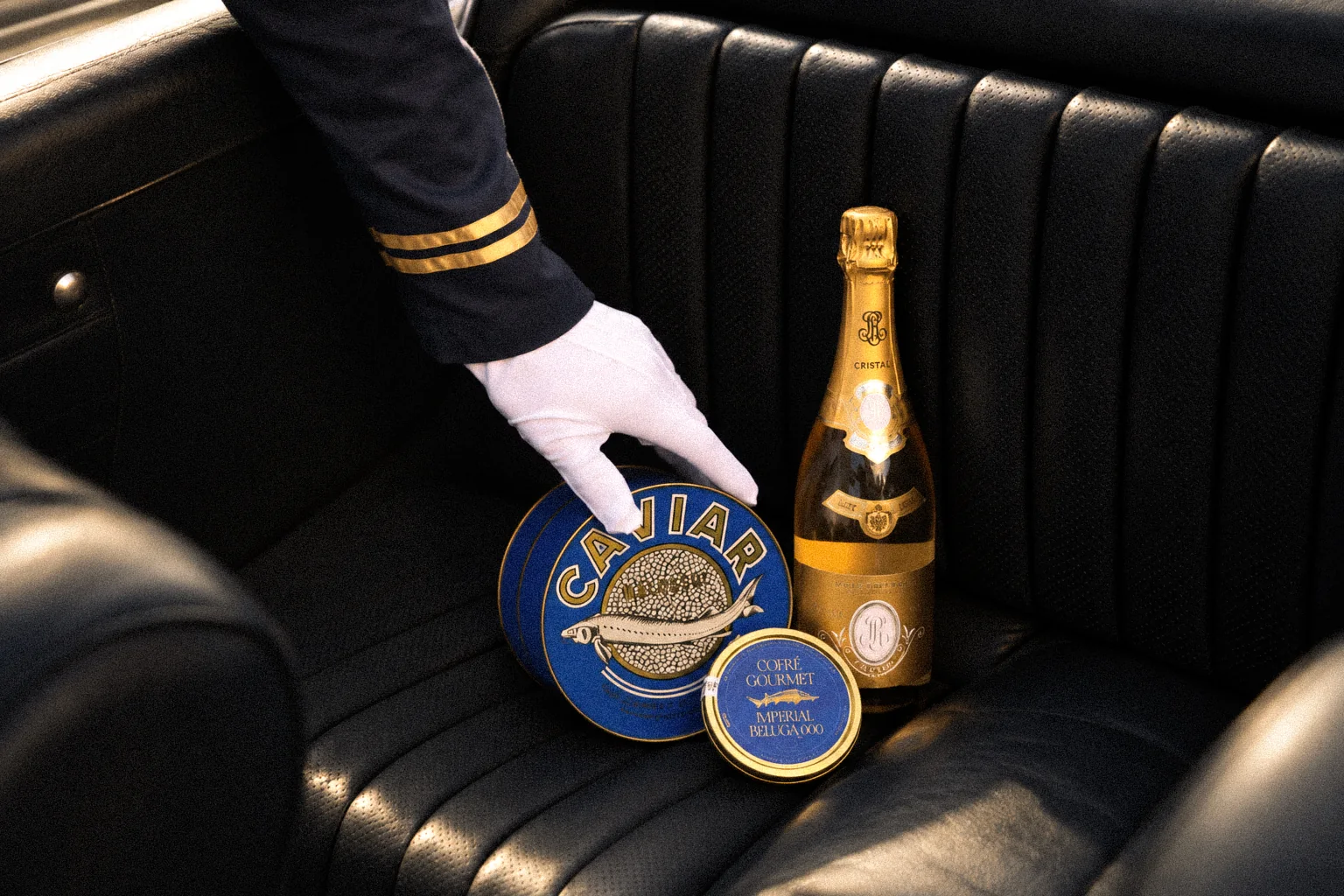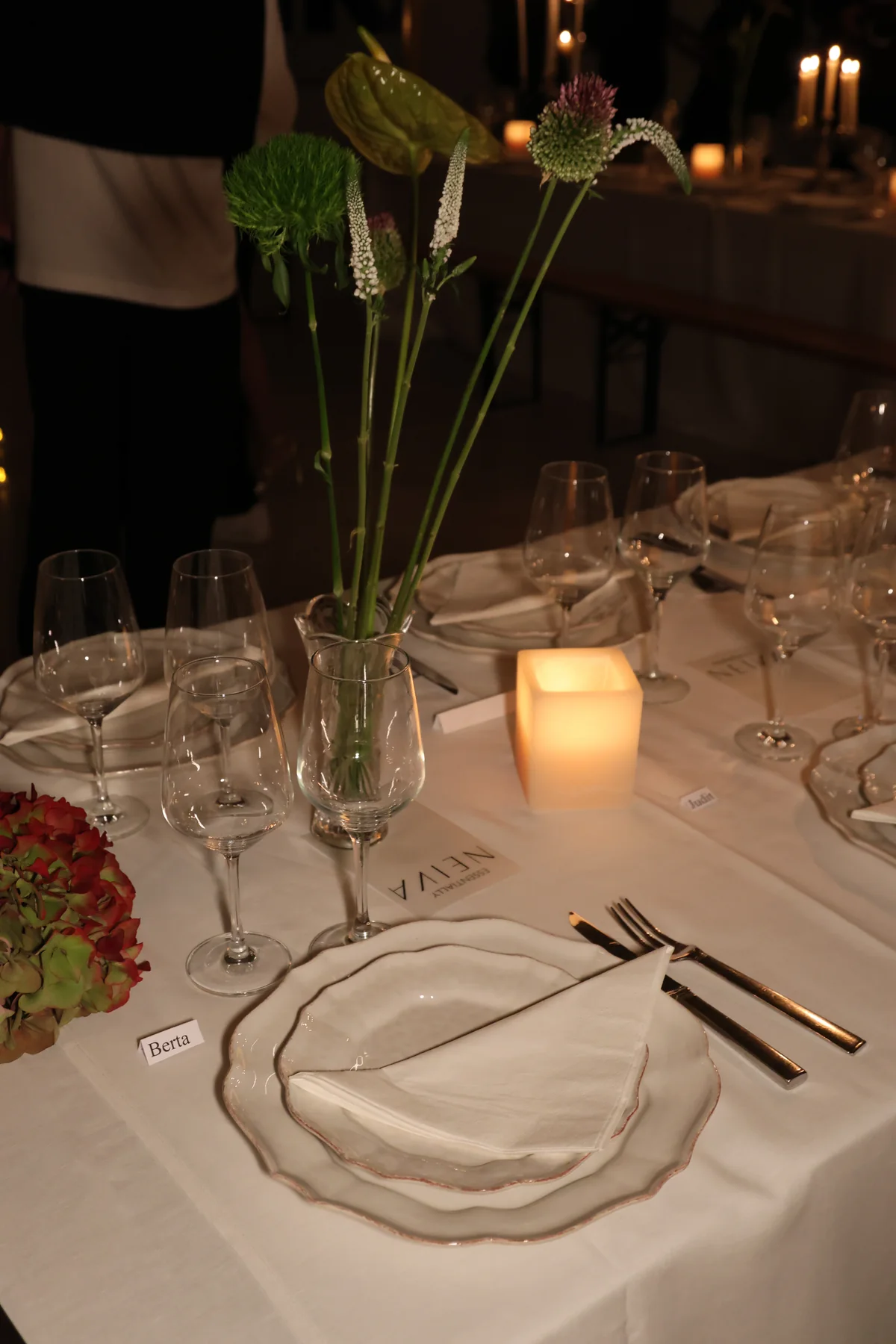
A private caviar tasting allows you to discover the characteristics of this product through a guided gastronomic experience.
Unlike conventional tasting, its goal is to learn how to identify nuances, understand the differences between varieties and know the culture surrounding caviar.
What elements should a tasting include?
The first step is to define the number of assistants and select the caviars that will be tasted.
The choice can be focused on different species, backgrounds or sensory profiles as long as there's a clear explanation of their differences.
During the experience, we have to introduce concepts such as the origin of sturgeon, the calibre of the caves, texture, salinity and persisting flavour.
The service should be at an appropriate temperature using appropriate utensils and avoiding accompaniments that interfere with first tasting.
A carefully selected pairing can also be added.
A good tasting isn't just about trying caviar. His true value lies in offering the necessary knowledge to understand and appreciate him.
Compare with clear order
A tasting works best when each sample answers a question: species, origin, calibre, texture or salting. It serves from more sensitive to more intense profiles and reserves an amount sufficient for an initial and second comparison. He gives little information before trying and amplifies it later, so words do not completely condition perception. Water and short pauses help to keep your palate attentive.
How many caviars should be included?
Two or three selections usually allow a clear comparison without tiring the palate. More references require a precise script and highly controlled quantity.
Can you get a single caviar tasting?
Yeah. It can be explored temperature, natural service and accompaniments, or compare different moments of the same tasting. Learning doesn't depend only on the number of cans.
The script should leave room for discovery
A private tasting gain a rhythm if it modifies an explanation and tests. It begins with a common reference - what each can contains and how it will be preserved - and continues with a spoonful to the natural and then opens up comparisons of texture, intensity and persistence. The accompaniments and beverages come after the group's recognition of the product. Avoid saturation with dates or technicisms: select information that improves perception. Calculates portions, utensils and cold before receiving guests. Thus the host or host participates in the experience rather than spending the night solving the service.