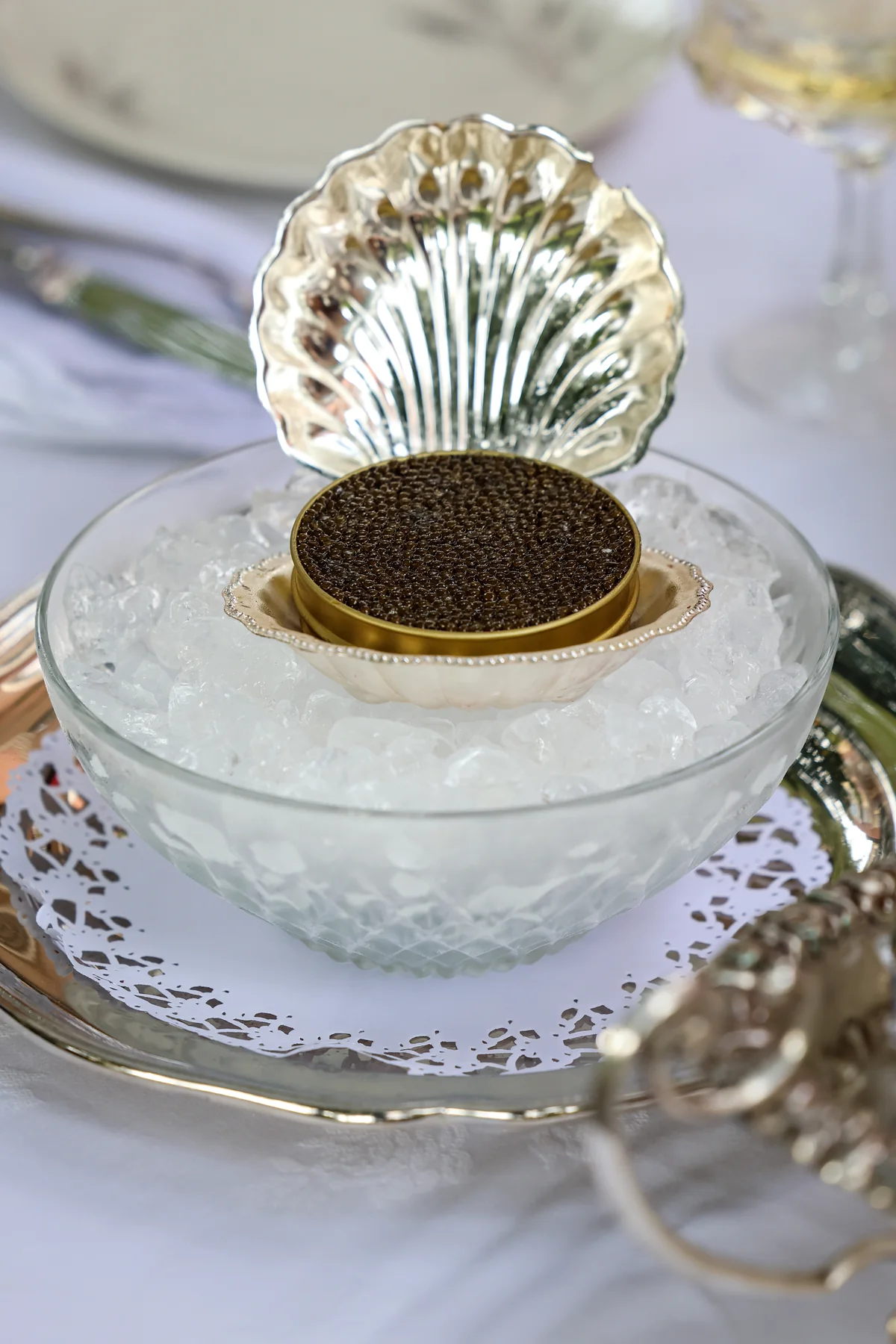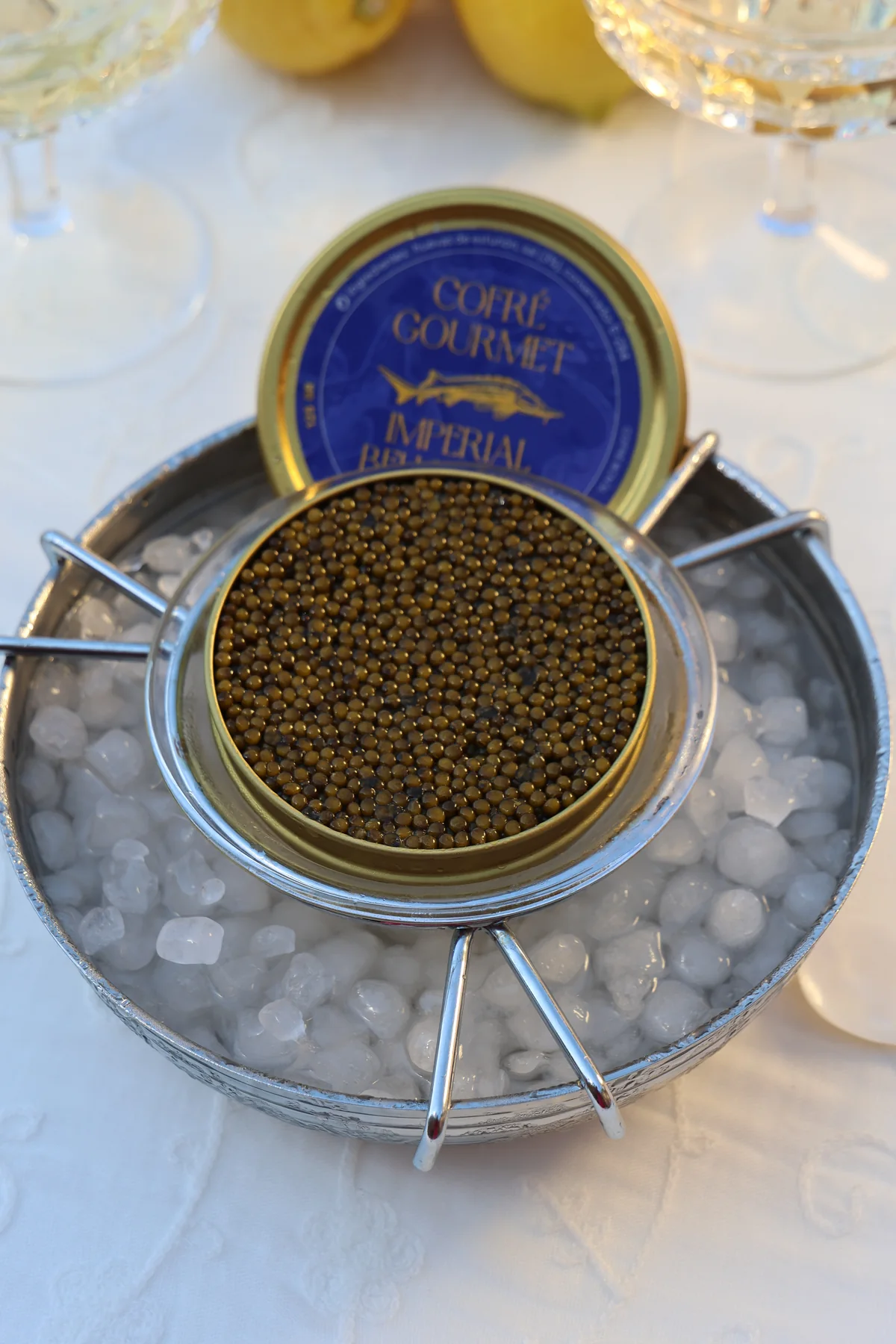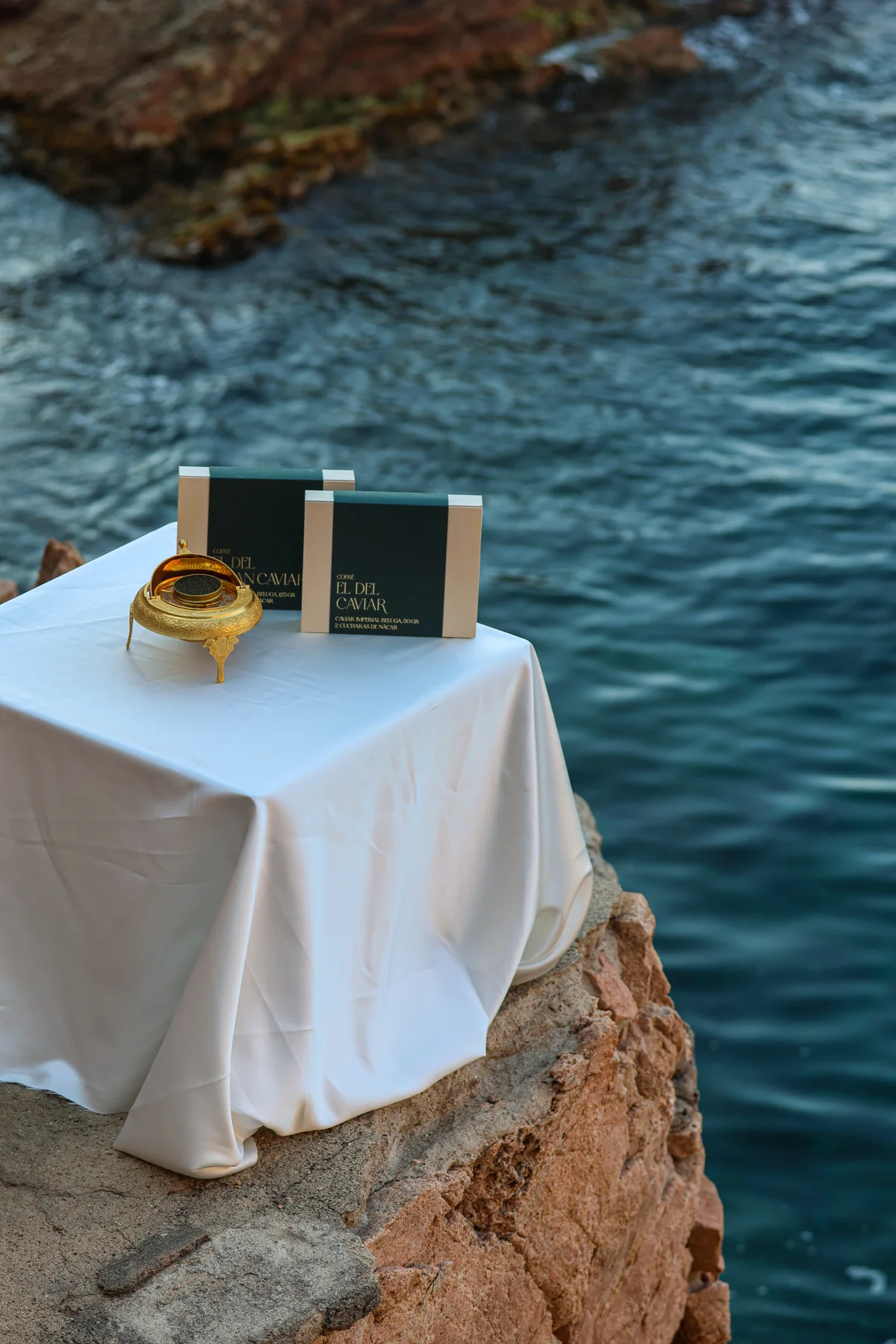
Beluga, Oscietre and Sevruga represent three of the best known denominations of caviar's tradition.
Although they all belong to the sturgeon universe, they have different characteristics.
Beluga: from the Fuso Fuso. Its caves are usually highlighted with its high calibre, delicate texture and a soft and creamy taste profile.
Oscietre: traditionally associated with Acipenser gueldenstaedtii, it's appreciated for its aromatic complexity and nuances that can remember nuts. The trade name may be used in different forms and the species should be checked.
Sevruga: from Acipenser stellatus. It usually has smaller caves and a more pronounced taste with characteristic sea notes.
The size and color of the caves may vary from one variety to another, depending on the tidal maturity and production conditions.
No single ideal variety exists for all palates. The choice will depend on whether to seek delicacy, intensity or aromatic complexity.
To choose by the profile you seek
Beluga is usually associated with high calibre and delicacy, with Oscietre, with complexity and notes that can be remembered with nuts, with Sevruga, with a smaller pearl and a more direct seawater character. They're guidance descriptions, and they're not infallible molds. The ageing, maturation and production introduce variations. The best choice isn't always the most expensive but the best choice that fits with the palate and occasion.
Do the size of the pearl decide quality?
Not by itself. The calibre forms part of the experience but they also have the texture, the smell, the salinity, the persistence, the integrity and its conservation.
Do Oscietre always come from the same species?
The commercial name can be used in different ways. The species stated on the label should be reviewed to figure out exactly what the can contains.
A small tasting to understand the differences
Three spoons and an ordered service teach more than a list of adjectives. It has each variety identified at a similar temperature and in equivalent quantity. Test the natural first and leave the accompaniments for a second round. Instead of looking at what's objectively better, watch what's more creamy, firmer, more seawold or more persistent for you. That exercise allows you to choose a can with criterion and also to design a more interesting table: you can start with a direct expression and end with a more delicate one, without turning the price into the only tasting script.