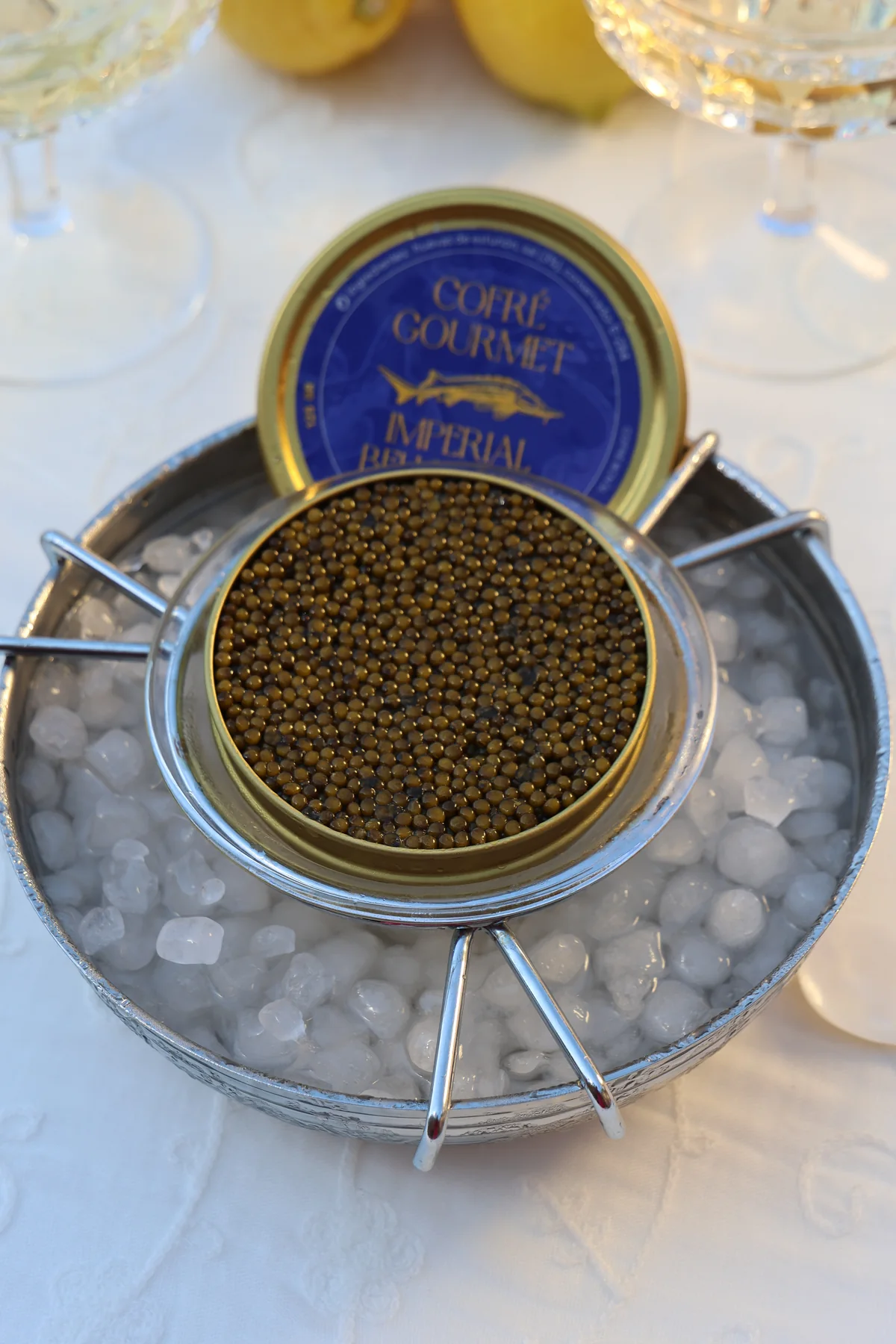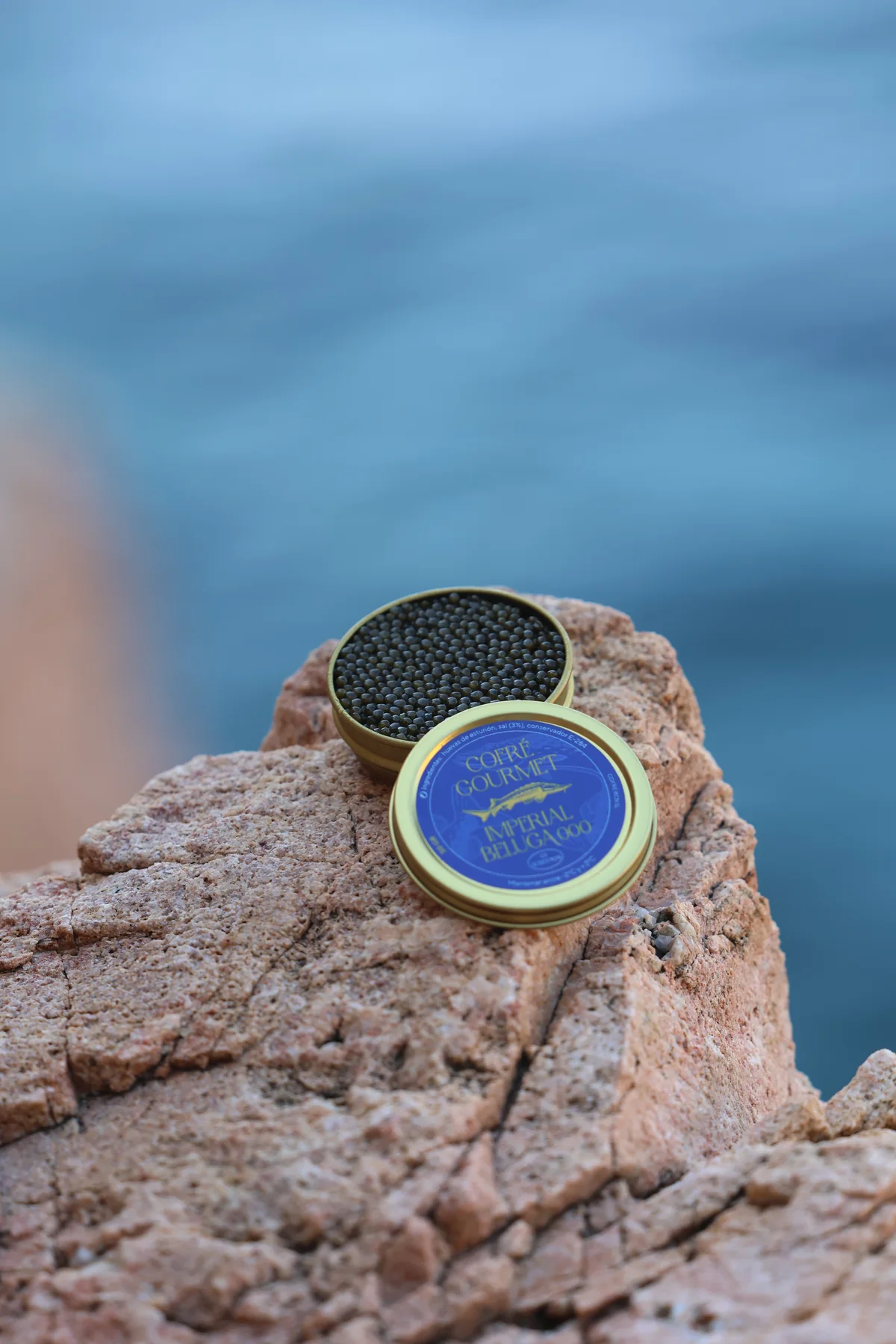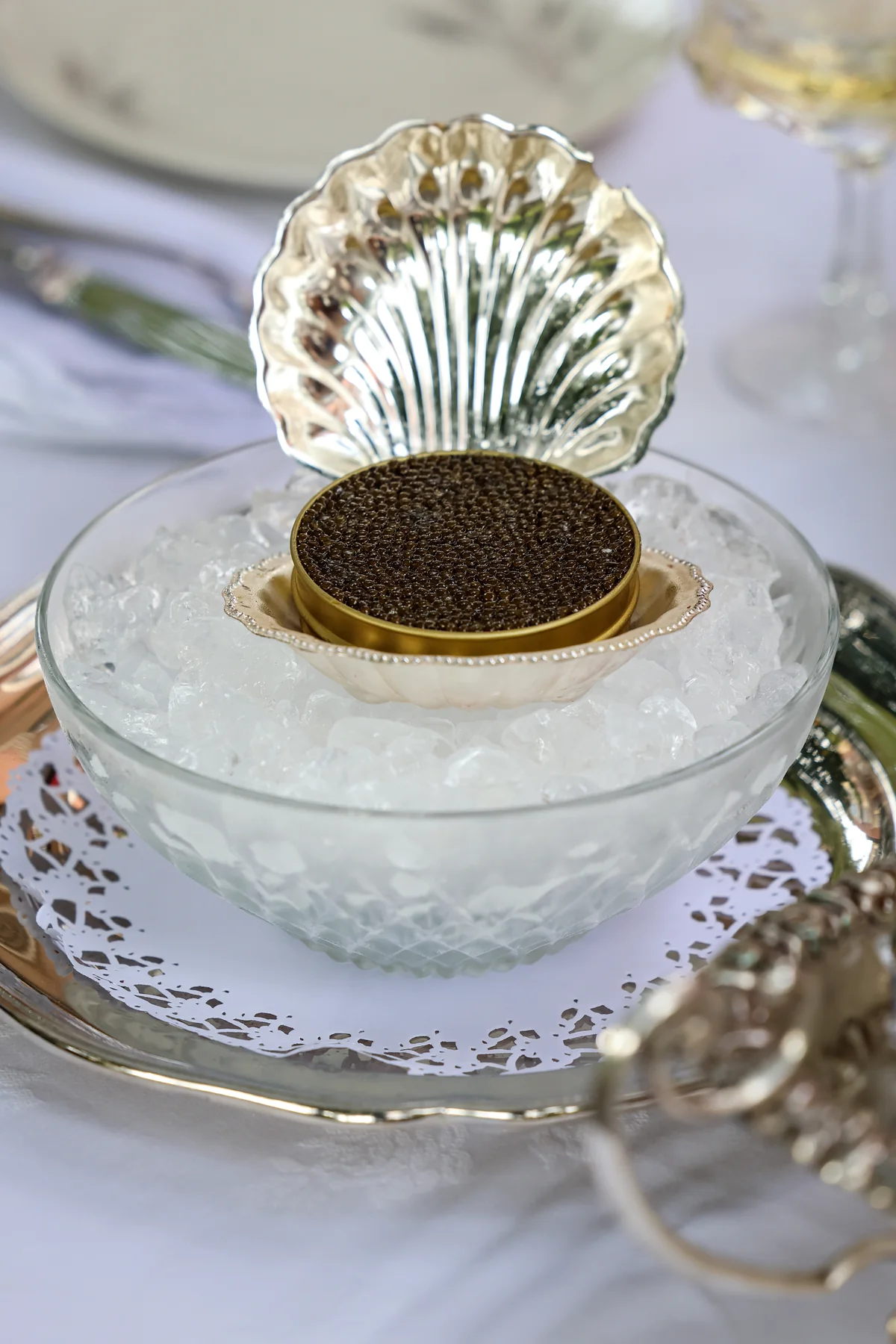
A photograph can make caviar look irresistible. It cannot tell you which sturgeon produced it. If you are looking for Beluga, begin with the information that travels with the tin. Species, origin and lot details give you useful questions to ask before buying. You can appreciate the size and sheen of the pearls later, once the tin is open, but neither is a substitute for checking its identity.
Look for a species, not an alluring word
Beluga refers to the Huso huso sturgeon. Under the CITES caviar labelling system, HUS is its species code. Other species and hybrids have different identifiers. That does not make them automatically inferior, but it does make them different products. A listing that talks only about luxury, heritage or large pearls leaves the central question unanswered: which species is in this tin?
The identification should be legible and consistent between the product listing and the tin you receive. Do not infer the species from the colour of a lid or a serving photograph; both can change between formats or campaigns. If a description is unclear, ask the seller to clarify it before placing the order.
Read the code as a route to traceability
The CITES label uses fields for species, source, country of origin, year, processing or repackaging establishment, and lot. It is not a tasting note or a flavour ranking. Its purpose is to help trace the product through the commercial chain. The country where caviar was packed may differ from its country of origin; treating them as the same can give a false impression of provenance.
You do not need to memorise every code. Check that the information is present and ask what it means for that particular tin. Nor should you treat an origin code as a certificate of gastronomic quality: traceability and the pleasure of tasting are connected questions, but they are not the same one.
Check what matters when it reaches your table
Alongside the species label, look at the net weight, ingredients, date and storage instructions. EU rules on prepacked food information cover these particulars as applicable to the product. They help you plan when to receive the tin, where to refrigerate it and how much to open for your guests.
Before you buy
A sound choice ends with a simple question: can you keep the tin in the stated conditions until you serve it? For a special date, confirm availability and delivery before building a menu around the caviar. You do not have to know every sturgeon to choose well. You do need to know what you are buying and how you intend to enjoy it.